







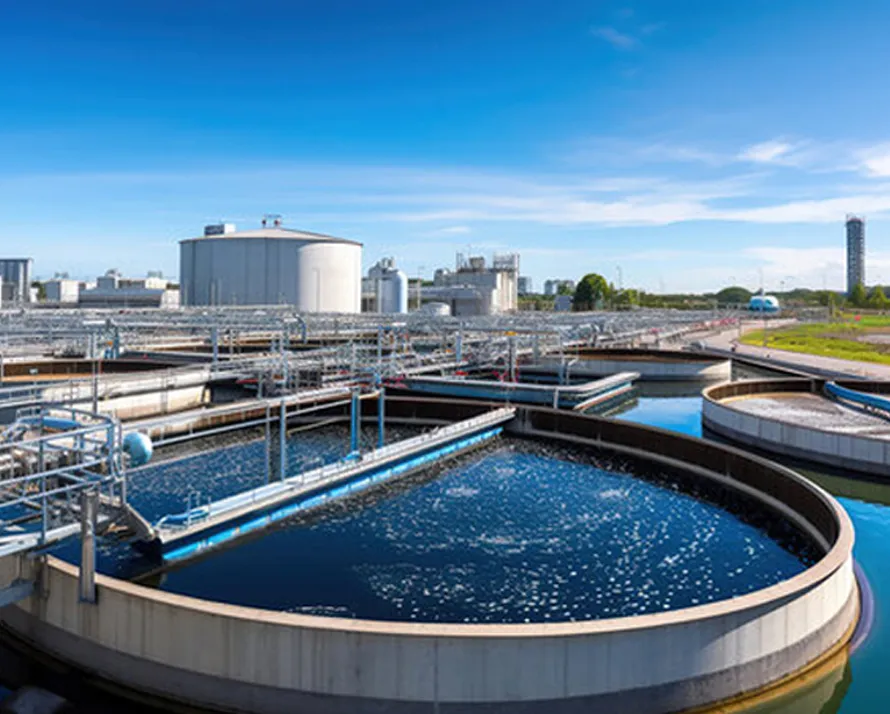
Industrial growth has transformed manufacturing, pharmaceuticals, chemicals, textiles, food processing, engineering, and several other sectors. However, increased industrial activity also means increased wastewater generation. Blue Enviro-Tech Engineers and Consultant understands the growing need for effective industrial wastewater management, as industrial effluent can contain suspended solids, oils, chemicals, organic matter, dissolved contaminants, and other pollutants that require effective treatment before discharge or reuse.
As environmental responsibility and water conservation become increasingly important, industries are moving beyond conventional wastewater treatment methods. The focus is now shifting toward smarter, cleaner, automated, energy-efficient, and sustainable Effluent Treatment Plants (ETPs).
With 19+ years of experience, we provide comprehensive water and wastewater treatment solutions for industrial, commercial, and domestic applications. The company is ISO 9001:2015 and ISO 14001:2015 certified and specializes in ETP, STP, ZLD, RO, DM, MB, water softening, ultrafiltration, environmental monitoring, and related solutions.
The future of industrial wastewater treatment is no longer limited to simply removing contaminants. It is increasingly focused on water recovery, recycling, automation, resource optimization, operational efficiency, and long-term sustainability.
What Is an Effluent Treatment Plant (ETP)?
An Effluent Treatment Plant (ETP) is an engineered treatment system designed to treat wastewater generated by industrial processes. The primary objective is to reduce pollutants and contaminants so that the treated water can meet the required quality for discharge or suitable reuse.
The treatment process depends on the type of industry, wastewater characteristics, flow rate, pollutant load, and desired treated-water quality.
Common ETP Treatment Processes
A typical industrial ETP may include:
- Screening
- Collection and equalization
- pH correction
- Chemical treatment
- Biological treatment
- Clarification
- Filtration
- Disinfection
- Sludge treatment
- Advanced membrane treatment
A properly designed ETP does more than treat wastewater. It can help industries improve water management, reduce environmental impact, and explore opportunities for wastewater recycling.
Why Is Industrial Wastewater Treatment Becoming More Important?
Water is one of the most important resources required for industrial operations. At the same time, industries are under increasing pressure to reduce water consumption, manage wastewater responsibly, and comply with applicable environmental requirements.
Effective industrial wastewater treatment can help businesses:
- Reduce wastewater pollution
- Improve treated-water quality
- Support environmental compliance
- Reduce freshwater dependency
- Recycle and reuse treated wastewater
- Optimize chemical and energy consumption
- Improve overall water-management efficiency
- Reduce wastewater disposal requirements
The industry is gradually moving from a traditional “treat and discharge” model toward a “treat, recover, recycle, and reuse” approach.
This shift is expected to be one of the major drivers of future ETP technology.
How Are Modern ETPs Becoming Smarter?
The integration of automation and digital technologies is changing the way wastewater treatment plants are operated.
Automation and Process Control
Automation can control and monitor important components such as pumps, valves, chemical dosing systems, aeration systems, level sensors, and other equipment.
Automated control can reduce unnecessary manual intervention and help maintain consistent operating conditions.
For industries operating large or continuous-production facilities, automation can provide better control over treatment processes.
IoT-Based Monitoring
The Internet of Things (IoT) is creating new opportunities for smart wastewater management.
Connected sensors can collect information from different stages of the treatment process. Depending on the system design, parameters such as pH, flow, temperature, turbidity, dissolved oxygen, and other process indicators can be monitored.
This information can help operators:
- Identify process variations
- Detect abnormal conditions
- Monitor equipment performance
- Improve treatment control
- Take corrective action quickly
Real-Time Water Quality Monitoring
Real-time monitoring can provide a clearer understanding of ETP performance.
Instead of relying entirely on periodic testing, continuous process data can help operators identify changes and make timely adjustments.
This can contribute to better process stability, improved operational control, and more consistent treatment performance.
Advanced Technologies Shaping the Future of ETPs
The future of wastewater treatment will involve a combination of conventional and advanced technologies selected according to the specific wastewater characteristics.
Membrane Filtration
Membrane-based technologies such as Ultrafiltration (UF) and Reverse Osmosis (RO) are increasingly used in advanced water and wastewater treatment systems.
Ultrafiltration
UF membranes can help remove suspended solids, colloids, microorganisms, and other contaminants depending on the membrane configuration and application.
Reverse Osmosis
RO uses a semi-permeable membrane to separate dissolved salts and other contaminants from water. It can be used when higher-quality treated water is required for specific reuse applications.
When integrated correctly with other treatment stages, membrane technologies can support higher levels of water recovery.
Advanced Biological Treatment
Biological treatment remains an important part of many industrial ETP systems.
It uses microorganisms to break down biodegradable organic matter present in wastewater.
Modern biological treatment systems increasingly focus on:
- Better process stability
- Efficient aeration
- Lower energy consumption
- Improved organic-load removal
- Consistent treatment performance
The appropriate biological process depends on wastewater characteristics and the required treatment objectives.
Advanced Oxidation Processes
Certain industrial wastewater streams contain compounds that can be difficult to treat using conventional biological processes.
Advanced oxidation processes can be considered for specific applications where additional treatment is required. These processes can help break down certain complex organic contaminants and improve overall treatment performance.
Improved Sludge Management
Sludge is an unavoidable by-product of many wastewater treatment processes. Efficient sludge management is therefore an important part of overall ETP performance.
Future ETP systems are expected to focus more on:
- Sludge reduction
- Improved dewatering
- Efficient sludge handling
- Reduced disposal requirements
- Potential resource recovery
Better sludge management can help industries improve both operational efficiency and environmental performance.
What Is the Role of Zero Liquid Discharge in Future ETPs?
Zero Liquid Discharge (ZLD) is an advanced wastewater-management approach designed to maximize water recovery while minimizing liquid wastewater discharge.
A ZLD system can incorporate several treatment processes, including concentration, evaporation, crystallization, and water recovery, depending on the wastewater characteristics and project requirements.
Benefits of ZLD
ZLD can help industries:
- Maximize wastewater recovery
- Reduce liquid discharge
- Reuse treated water
- Minimize freshwater consumption
- Improve water-resource management
- Support sustainable industrial operations
For industries facing water scarcity or stringent wastewater-discharge requirements, ZLD can become an important part of an integrated wastewater-management strategy.
How Smart ETPs Improve Efficiency
The future of ETPs is not simply about installing advanced equipment. It is about optimizing the complete treatment process.
- Reduced Energy Consumption: Energy-efficient pumps, optimized aeration, variable-speed equipment, and automation can help reduce unnecessary energy consumption.
- Optimized Chemical Usage: Automated chemical dosing can help deliver chemicals according to process requirements, potentially reducing unnecessary consumption.
- Better Process Stability: Continuous monitoring allows operators to identify process changes and make adjustments before they significantly affect treatment performance.
- Reduced Downtime: Early identification of abnormal conditions can support preventive maintenance and reduce unexpected equipment failures.
- Improved Treatment Performance: Better monitoring, automation, and process optimization can contribute to more consistent plant operation and treated-water quality.
Water Recycling: Turning Wastewater Into a Resource
One of the most important trends in modern wastewater management is water recycling and reuse.
Rather than treating wastewater solely as waste, industries can evaluate opportunities to recover and reuse treated water for suitable applications.
Potential Industrial Reuse Applications
Depending on the required water quality, treated water may be reused for:
- Cooling applications
- Equipment washing
- Utility operations
- Gardening and landscaping
- Process applications
- Other non-potable industrial requirements
Water recycling can reduce dependence on freshwater and support more sustainable industrial operations.
Why Sustainability Matters in Future ETP Design
A future-ready ETP should focus on both treatment performance and resource efficiency.
Modern ETP design increasingly considers:
- Water recovery
- Energy efficiency
- Chemical optimization
- Sludge reduction
- Plant footprint
- Operating costs
- Maintenance requirements
- Long-term reliability
This supports the concept of a circular water economy, where water is treated, recovered, and reused rather than consumed only once.
Key Benefits of Next-Generation ETPs
Smart and advanced ETP systems can provide several benefits when properly designed for the application.
- Better Wastewater Quality: Advanced treatment technologies can help achieve the required treatment objectives for discharge or reuse.
- Higher Water Recovery: Additional treatment technologies can provide opportunities for recovering and recycling treated water.
- Improved Operational Efficiency: Automation and monitoring can provide greater control over treatment processes.
- Cost Optimization: Efficient equipment, optimized chemical usage, and improved process control can contribute to lower operating costs.
- Environmental Sustainability: Effective treatment and water recycling can help industries reduce their environmental footprint.
- Better Process Visibility: Digital monitoring provides operators with more information about plant performance and operating conditions.
- How to Choose the Right Industrial ETP: There is no single ETP design suitable for every industry. Treatment systems should be selected according to the actual characteristics of the wastewater.
Factors to Consider
Before selecting an industrial wastewater treatment system, consider:
- Type of industry
- Wastewater source
- Daily flow rate
- pH
- BOD and COD
- TDS and TSS
- Oil and grease
- Chemical contaminants
- Heavy metals, where applicable
- Required treated-water quality
- Discharge requirements
- Water-reuse objectives
- Available space
- Energy requirements
- Sludge management
- Future expansion requirements
Why Wastewater Analysis Is Important
A detailed wastewater analysis helps identify the pollutants that need to be removed and determines the most appropriate treatment combination.
Selecting treatment technologies without understanding the wastewater characteristics can lead to inefficient operation, higher costs, and inconsistent treatment results.
Why Experience and Certifications Matter
Choosing the right wastewater treatment partner is as important as selecting the right technology.
With 19+ years of experience, Blue Enviro-Tech Engineers and Consultant has developed expertise across water and wastewater treatment applications. The company is ISO 9001:2015 and ISO 14001:2015 certified, reflecting its focus on quality management and environmental management practices.
Its solutions include ETP, STP, ZLD, RO, DM, MB, water softeners, ultrafiltration, environmental monitoring, wastewater management, and plant operation and maintenance services.
A combination of technical experience, quality-focused processes, customized design, and after-sales support can help industries develop wastewater treatment systems suited to their specific requirements.
What Does the Future of Industrial Wastewater Treatment Look Like?
The future of industrial wastewater treatment is expected to become increasingly smart, automated, data-driven, and sustainable.
Technologies such as:
IoT-based monitoring
- Advanced sensors
- Automated process control
- Artificial intelligence
- Advanced membrane systems
- Improved biological treatment
- Water recycling
- ZLD
- Digital process monitoring
are creating new possibilities for better wastewater management.
The future of industrial wastewater treatment is moving toward smarter, cleaner, and more sustainable ETP solutions that do more than simply treat wastewater. With advanced automation, real-time monitoring, efficient treatment technologies, water recycling, resource recovery, and Zero Liquid Discharge, industries can reduce their environmental impact while improving operational efficiency and conserving valuable water resources.
Choosing the right ETP technology is essential for achieving reliable treatment performance, regulatory compliance, lower operating costs, and long-term sustainability. Blue Enviro-Tech Engineers and Consultant, backed by 19+ years of experience and ISO 9001:2015 and ISO 14001:2015 certifications, provides advanced and customized water and wastewater treatment solutions designed around each industry's specific requirements.
Ready to make your industrial wastewater treatment smarter and more sustainable? Contact us and Consultant today to explore the right ETP solution for your industry.
Frequently asked questions
What is an industrial wastewater treatment plant?
An industrial wastewater treatment plant is a system designed to remove pollutants and contaminants from wastewater generated by industrial processes before discharge or reuse.
What is an ETP?
ETP stands for Effluent Treatment Plant. It treats industrial wastewater using processes such as chemical, biological, physical, filtration, and advanced treatment methods.
What is the future of industrial wastewater treatment?
The future is moving toward smart, automated, energy-efficient, and sustainable systems that combine real-time monitoring, advanced treatment technologies, water recycling, and resource recovery.
How does automation improve ETP performance?
Automation can help monitor and control pumps, valves, dosing systems, aeration, and other equipment, reducing manual intervention and improving process consistency.
Can treated wastewater be reused?
Yes, depending on the quality of treated water and the intended application. Additional treatment such as UF or RO may be required for specific reuse requirements.
What is Zero Liquid Discharge?
Zero Liquid Discharge, or ZLD, is an advanced wastewater-management approach focused on maximizing water recovery and minimizing liquid discharge from an industrial facility.
How do I choose the right ETP for my industry?
The ETP should be selected based on wastewater characteristics, flow rate, pollutant load, required treated-water quality, discharge or reuse requirements, available space, energy consumption, and future expansion needs.
Why is wastewater analysis important before ETP design?
Wastewater analysis identifies the contaminants and treatment requirements, helping engineers select the appropriate combination of treatment processes for reliable and efficient performance.